
What Does an ADU Cost to Build in Wilmington NC in 2026
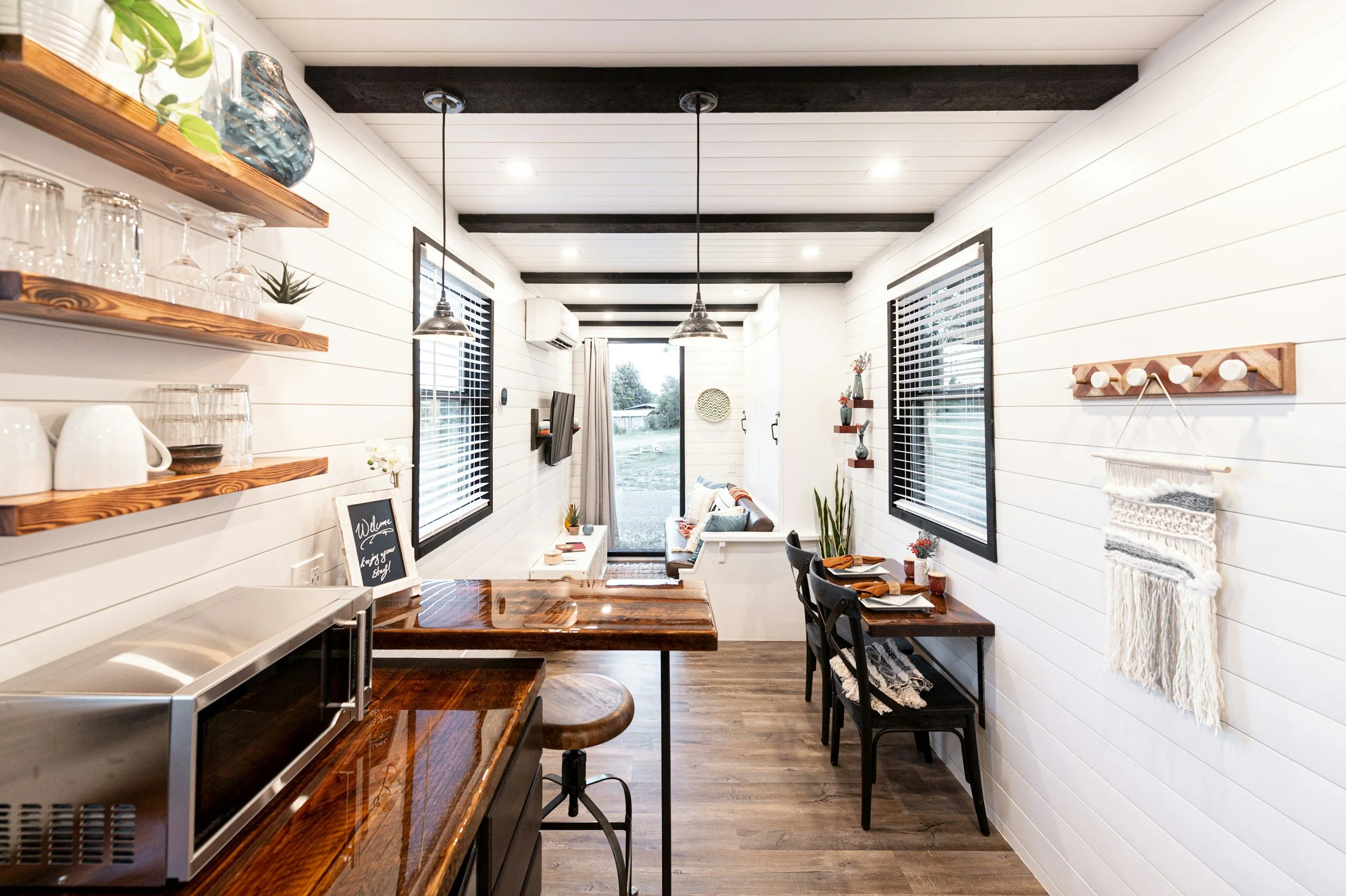
As of August 2026, a detached, site-built accessory dwelling unit in Wilmington runs $220 to $350 per square foot. That puts a typical 600 to 800 square foot unit between $150,000 and $280,000 all in, with most landing between $150,000 and $245,000. A garage conversion is the cheaper path, usually $75,000 to $125,000, because the foundation, walls, and roof already exist.
That is a wide spread, and the width is the honest part. Two 700 square foot units on two Wilmington lots can differ by six figures, and almost none of that difference shows up in the floor plan. Here is what actually moves the number.
What does an ADU cost by size in Wilmington?
Cost per square foot goes up as the unit gets smaller, not down. A 400 square foot studio still carries a full kitchen and a full bath, just spread across less floor. That is why the small units sit at the top of the range.
Garage conversion: $75,000 to $125,000. Existing structure with a sound slab and roof.
400 sq ft: $120,000 to $160,000. Studio, one bath, no separate bedroom.
600 sq ft: $150,000 to $210,000. One bedroom, the size we build most.
800 sq ft: $200,000 to $280,000. One large or two small bedrooms.
1,000 sq ft: $250,000 to $350,000. Two bedrooms, real living space.
1,200 sq ft: $300,000 to $420,000. The maximum Wilmington allows.
What drives the cost of an ADU?
In rough order of impact:
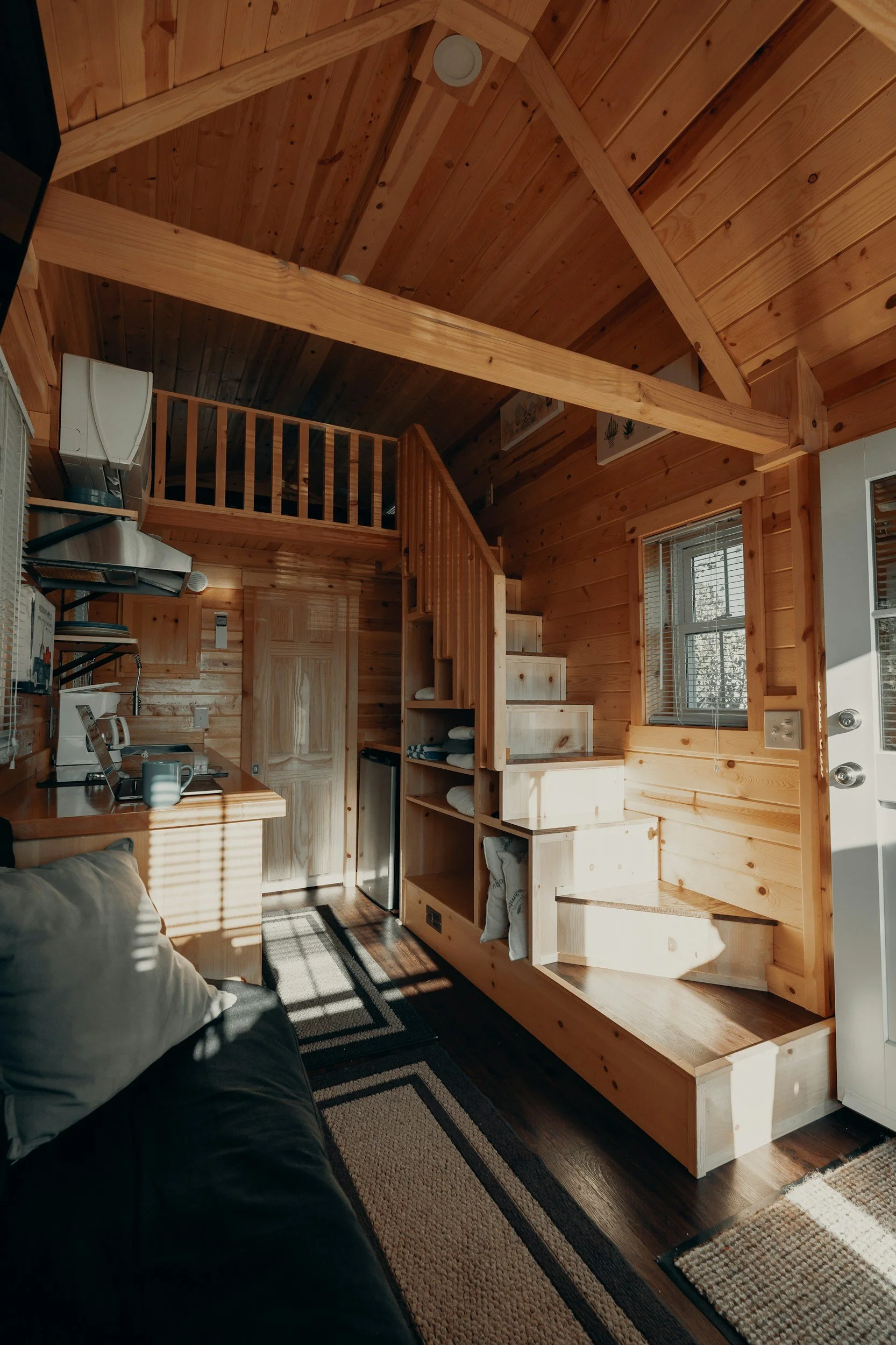
What you are starting with. Converting an existing garage is cheapest, because you inherit a slab, a shell, and a roof. Building new and detached is most expensive, because you are building a small house from the ground up with its own foundation, envelope, roof, and systems.
Utilities. The line item that surprises people most. Water, sewer, and electrical runs from the main house or the street add real money depending on distance and what has to be cut, trenched, and restored. Thirty feet across an open side yard is minor. A hundred and twenty feet around a pool, under a driveway, and past two live oaks is not.
Site access and grade. A backyard a truck can reach is a different project than a backyard reached through a gate on a narrow downtown lot. Hand-carrying material has a price, and it gets paid every day of the job.
Kitchens and baths. A small unit has the same number of expensive rooms as a big one. A second bathroom in an 800 square foot ADU can add more than the extra 200 square feet did.
Finish level. The gap between solid rental-grade finishes and the finishes you would put in your own primary suite is real, and it is the one variable you fully control.
Flood zone. If the unit sits in a mapped flood zone, elevation and foundation requirements change the structure before the walls go up.
What is in the number, and what is not?
Our construction number typically includes site work, foundation, framing, envelope, roofing, mechanical, electrical, plumbing, insulation, drywall, finishes, fixtures, and our fee.
What sits outside it, and what people forget to budget:
Design and permit drawings.
Survey, and an elevation certificate if you are in a flood zone.
Permit fees and any utility connection or tap fees.
Engineering, if the design or the site requires it.
Landscaping, fencing, driveway, and hardscape.
Appliances and window treatments, depending on how the allowance is written.
Contingency, which belongs in every budget and gets used on most projects.
Your property tax assessment, which will go up once the unit is permitted and finished.
A quote that comes back $30,000 under the next one is usually a quote with fewer things in it. Ask every builder what is excluded, in writing, before you compare.
How much are ADU permits and fees in Wilmington?
City of Wilmington building permit fees for a detached ADU have been reported at a minimum of roughly $400, or $0.441 per square foot, whichever is greater. Plan review, zoning, electrical, mechanical, plumbing, and utility fees are billed separately, so total permitting on a typical unit lands well above that base line.
Fee schedules change annually. Confirm current numbers with Wilmington Development Services or through the city’s online permit portal.
What does Wilmington’s code actually allow?
Under the City of Wilmington Land Development Code, as generally applied:
A detached ADU may be up to 1,200 square feet, and no larger than half the floor area of the primary residence.
The unit must sit behind the primary structure and at least 15 feet from the rear property line.
A detached ADU may not be taller than the primary dwelling, inside the district’s overall height limit.
Requirements vary by zoning district, overlay, and parcel, and they get confirmed project by project.
One thing worth stating plainly, because a lot of websites get it wrong: there is no North Carolina law requiring local governments to allow ADUs. Bills to do exactly that have been filed in recent sessions, including one in the 2025 to 2026 session, and none has become law. What you can build is decided by your local ordinance, not by Raleigh. If a site tells you ADUs are permitted by right statewide in North Carolina, it is wrong, and it may be wrong about the rest too.
The Wilmington specifics
Four local realities show up on almost every ADU we price here, and none of them appear in a national cost calculator.
Septic is the most common dealbreaker. On lots outside city sewer, an ADU is a new bedroom count and a new load on your system. If your existing septic will not support it, you are looking at a system upgrade or expansion before you can build anything. That is a real number, and it has to be found early. We check it before drawing.
Flood zone changes the foundation. Plenty of Wilmington and New Hanover County lots sit in mapped AE or VE zones. If yours does, the ADU has to meet the same elevation requirements as any other dwelling, which can mean piers, an elevated first floor, flood vents, and a stair you had not planned on. The zone drives the structure, and it drives the insurance on the finished unit.
Salt air is a specification, not a footnote. Standard fasteners, unrated flashing, and builder-grade exterior fixtures fail here in a handful of years. Coated and stainless hardware, better flashing details, and properly detailed cladding cost more up front. The five-year test is the honest one.
Read your covenants before you do anything else. HOA restrictions kill more Wilmington ADU projects than city code does, and most planned neighborhoods here are stricter than the ordinance. That call takes ten minutes and can save you a design fee.
Does an ADU pay for itself in Wilmington?
At August 2026 market rents, a Wilmington studio averages roughly $1,250 a month, a one-bedroom roughly $1,357, and a two-bedroom roughly $1,600. Against a $180,000 one-bedroom unit, gross rent near $16,000 a year is a simple-payback figure in the low double digits of years, before taxes, insurance, maintenance, and vacancy.
That math works for owners who plan to hold. It works differently when the alternative was assisted living for a parent, or when the unit keeps an adult child in a market where rent has outrun wages. Run it on your own lot rather than on an average, and treat any construction estimate as an estimate, not a promise of rent, occupancy, appreciation, or resale value.
How do you tighten your own number?
Bring four things and the estimate you get back is worth reading:
Your survey, or at minimum your parcel number and a rough sketch showing where the unit would go.
Your flood zone designation, which is public and takes two minutes to look up.
Your utility situation: city sewer or septic, and roughly where the existing lines run.
A target size and how the unit will be used. A rental, a parent’s suite, and a home office get designed differently and cost differently.
Without those, any number you receive is a guess dressed up as a quote.
Common questions
Can I build an ADU on any lot in Wilmington?
No. It depends on your zoning district, lot size, existing lot coverage, and whether the unit can meet setbacks behind the primary structure. HOA covenants can prohibit one even where the city would allow it. The fastest answer is a zoning check on your specific parcel before you spend anything on design.
How long does an ADU take?
Plan on five to eight months from the first design conversation to certificate of occupancy, with roughly two to three of those months spent on design and permitting before construction starts. Flood zone review, utility coordination, and HOA approval are the three steps most likely to stretch it.
Can I finance an ADU?
Most owners here use a home equity loan, a cash-out refinance, or a construction loan. FHA 203(k) financing can cover an attached ADU and in some cases allows a portion of projected rental income to count toward qualifying. Talk to a lender early, because the financing structure often decides the size of the unit.
Is a prefab or modular ADU cheaper?
The module is cheaper. The project often is not. You still pay for site work, foundation, utility runs, crane and delivery access, and local permitting, and Wilmington lots with tight access or flood elevation requirements erase much of the factory savings. Compare complete delivered-and-connected pricing, not module pricing.
Why does a small ADU cost more per square foot than a whole house?
Because kitchens and bathrooms are the most expensive rooms in any building, and a 600 square foot unit carries a full set of both across very little floor. The cheap square footage, bedrooms and living space, is the part you have the least of.
We design, permit, and build detached ADUs in Wilmington and New Hanover County, from the first zoning check through final inspection. If you want a real number for your lot instead of a range, send us your address and what you have in mind, and we will tell you honestly what is possible there.
Written by Cory Thompson, licensed General Contractor, NC GC L.80094, Wilmington, North Carolina. Figures current as of August 2026. Permit fees, ordinances, and flood maps change, and every requirement is confirmed per project.